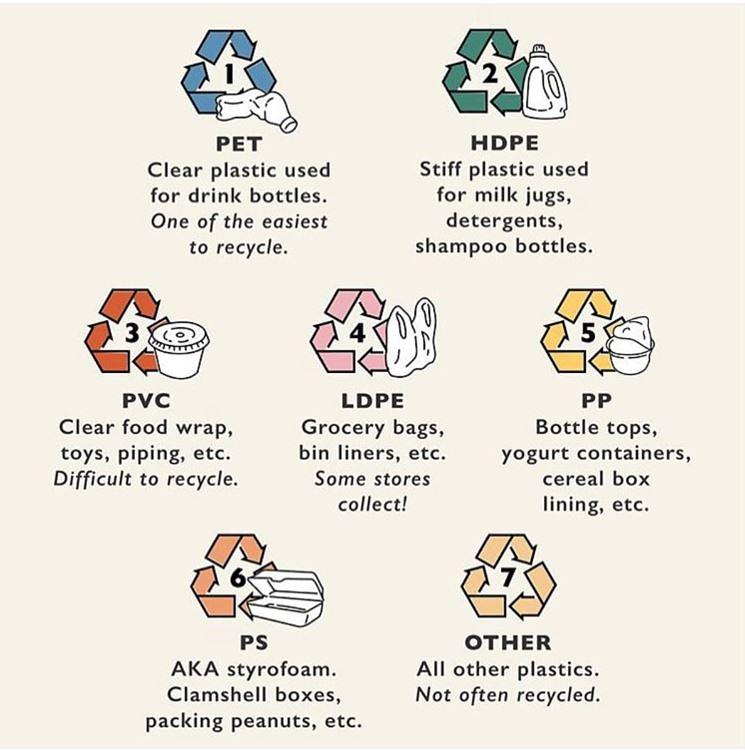

Plastic recycling is one of the pillars of the circular economy, but not all plastics are easily recyclable. Some materials have technical characteristics that make them difficult to recover using traditional mechanical recycling processes.
In recent years, however, the plastics industry has developed new technologies and strategies to address these challenges. Thanks to technological innovation and a growing focus on environmental sustainability, many plastics considered “difficult to recycle” are beginning to find new recovery opportunities.
For companies in the plastics sector, such as Germanplast, understanding these developments is essential in order to remain competitive and respond to new market demands.
Which plastics are most difficult to recycle
Not all plastics have the same chemical and structural characteristics. Some materials are particularly complex to recycle due to their composition or the applications for which they are used.
Among the most difficult materials to recycle are:
- Multi-layer plastics : these are composed of several different materials layered on top of each other. This type of plastic is widely used in food packaging because it ensures better product preservation. However, the presence of different layers makes it very difficult to separate the materials during recycling.
- Composite materials : combine plastics with other materials such as glass fibres, carbon fibres or metals. This combination improves the performance of the product but makes it more difficult to recover the individual components.
- Contaminated plastics : much plastic waste is contaminated with food residues, chemicals or other materials. This can compromise the recycling process and reduce the quality of the recovered material.
- Plastics with complex additives: some plastic products contain dyes, stabilisers or additives that can make recycling more complex.
New technologies for the recovery of complex plastics
- Chemical recycling : Chemical recycling is one of the most promising innovations in the sector.
This process breaks down plastic into its molecular components, which can then be used to produce new plastics with characteristics similar to the original ones. It's particularly useful for treating materials that are difficult to recycle using traditional methods.
- Pyrolysis : is a thermal process that converts plastic waste into oils and gases that can be used as raw materials for the chemical industry. This process can treat a wide range of plastics, including mixed or contaminated plastics.
- Dissolution technologies : Some innovative processes allow certain polymers to be selectively dissolved in order to separate them from other materials. This approach makes it possible to recover high-quality plastic even from complex waste.
The importance of design for recycling
An increasingly important aspect in the sector is what is known as design for recycling. This approach involves designing products that can be easily recycled at the end of their life cycle. The main strategies include:
- reducing the number of materials used
- eliminating problematic additives
- using polymers that are compatible with each other
Plastics that are difficult to recycle represent a major challenge for the industry, but new technologies are opening up some very interesting prospects.
Thanks to technological innovation and greater attention to product design, the plastics sector is making significant strides towards a more sustainable model.